








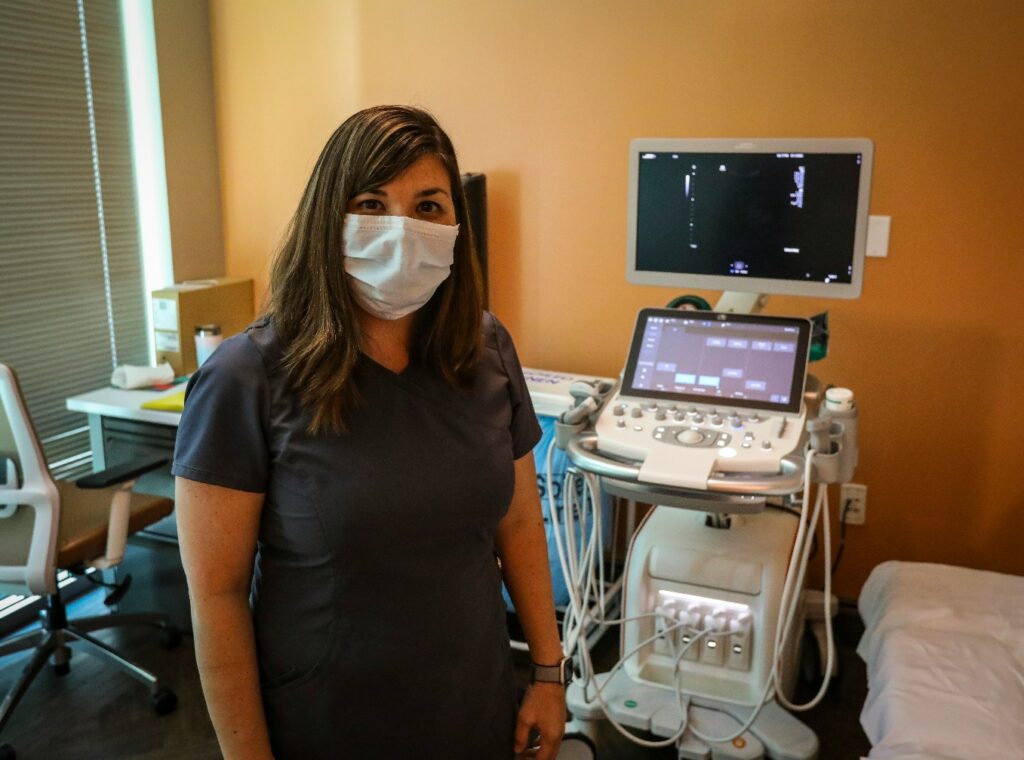
Learn About Stroke and Heart Disease Risk with a Simple, Non-Invasive Test
Key pointers:
- A carotid ultrasound checks for plaque build-up in the neck arteries that supply blood to the brain
- People with high blood pressure, diabetes, or high cholesterol are at higher risk of artery narrowing
- The scan is painless and can detect early signs of cardiovascular disease
- It helps assess your risk of stroke before symptoms appear
- Often recommended as part of stroke or cardiovascular screening in at-risk individuals
What Is a Carotid Ultrasound?
A carotid ultrasound is a non-invasive imaging test that uses sound waves to create pictures of the two major arteries in your neck (carotid arteries). These arteries supply oxygen-rich blood to your brain.
This test helps detect:
- Plaque build-up (atherosclerosis)
- Narrowing of the arteries (stenosis)
- Changes in blood flow patterns
It plays an important role in stroke prevention and cardiovascular risk assessment, especially for individuals with existing risk factors.
Who Should Get a Carotid Ultrasound?
Your doctor may recommend a carotid ultrasound if you have one or more of the following:
- High blood pressure (hypertension)
- Type 2 diabetes or insulin resistance
- High cholesterol or triglycerides (hyperlipidaemia)
- A family history of stroke or heart disease
- Previous stroke or transient ischaemic attack (TIA)
- Lifestyle factors such as smoking or sedentary habits
Even if you have no symptoms, the test can detect “silent” plaque build-up, which may increase your stroke risk without warning.
What Happens During the Procedure?
- A gel is applied to your neck
- A small handheld probe (transducer) is gently moved over the skin
- The machine uses Doppler ultrasound to show how blood flows through your carotid arteries
- The scan usually takes about 15 to 30 minutes
- There is no pain, radiation, or need for sedation
You’ll be able to resume your regular activities immediately after the scan.
Why Is It Linked to Heart Health?
The health of your carotid arteries reflects the condition of your blood vessels overall, including those in your heart. People with carotid artery disease often also have coronary artery disease, even if they have not yet developed symptoms.
That’s why cardiologists often recommend carotid ultrasound as part of a broader cardiovascular assessment in high-risk patients.
What If the Test Finds Narrowing or Plaque?
If the ultrasound detects narrowing of the artery or plaque build-up:
- Your doctor may suggest lifestyle changes
- Medications to lower blood pressure or cholesterol may be prescribed
- Further tests such as CT angiography or cardiology referral may be needed
- In severe cases, surgical or procedural interventions may be considered to reduce stroke risk
5 Frequently Asked Questions (FAQs)
Q1: Is a carotid ultrasound the same as a brain scan?
A: No. It focuses on the arteries in your neck, not the brain itself. However, it helps assess your risk of brain-related events such as stroke.
Q2: Can this test detect if I will have a stroke?
A: It doesn’t predict a stroke but identifies narrowing or blockages that increase your risk, allowing preventive steps to be taken.
Q3: Do I need to fast or prepare before the scan?
A: No fasting is required. Wear loose clothing to allow easy access to the neck area.
Q4: How often should I get this scan done?
A: This depends on your risk profile. Your doctor may recommend it as a one-time check or periodic monitoring if you have known cardiovascular risks.
Q5: Is it covered by insurance in Singapore?
A: Coverage varies depending on your health plan and reason for referral. You may wish to check with your provider or clinic staff.
Don’t Wait for Symptoms, Get Checked Early
High blood pressure, diabetes, and high cholesterol often develop without symptoms, but they can silently damage your arteries over time. A carotid ultrasound provides a window into your vascular health and can guide timely, preventive action.
At Heart Matters Medical Centre, we offer carotid ultrasound as part of comprehensive cardiovascular risk assessment for patients with hypertension, diabetes, or hyperlipidaemia.
Mount Elizabeth Novena Specialist Centre
+65 6339 1991
info@heartmatters.com.sg
Book a consultation