











The Silent Buildup That Can Affect Your Heart’s Blood Supply
Key pointers:
- Coronary heart disease (CHD) occurs when the arteries supplying blood to the heart become narrowed or blocked
- This is usually caused by plaque buildup in a process known as atherosclerosis
- Reduced blood flow can lead to angina, breathlessness, or heart attack
- The condition can progress without symptoms for years
- Early screening is important, especially for those with risk factors such as high blood pressure, diabetes, or high cholesterol
What Is Coronary Heart Disease?
Coronary heart disease (CHD), also called coronary artery disease, is a condition where the coronary arteries, which supply oxygen-rich blood to the heart muscle, become narrowed due to plaque buildup.
This narrowing reduces blood flow to the heart, especially during physical exertion, and may lead to:
- Chest discomfort (angina)
- Breathlessness
- Fatigue
- Heart rhythm irregularities
- Heart attack (if an artery becomes completely blocked)
How Does Coronary Artery Disease Develop?
CHD typically develops gradually over time through a process called atherosclerosis:
- Fatty deposits (cholesterol, calcium, and other substances) begin to accumulate along the inner walls of the coronary arteries
- These deposits form plaque, which causes the arteries to narrow and stiffen
- This narrowing restricts the flow of blood and oxygen to the heart muscle
- A ruptured plaque can cause a blood clot, blocking the artery completely and leading to a heart attack
Why Are There Often No Early Symptoms?
One reason CHD is often referred to as a “silent” condition is that it may not cause symptoms in its early stages. The body can sometimes compensate for reduced blood flow, especially when at rest.
Symptoms usually appear only when:
- The artery is significantly narrowed
- Physical activity increases the heart’s demand for oxygen
- A sudden blockage occurs, resulting in a heart attack
That’s why many people are unaware they have CHD until they experience chest discomfort or a cardiac event.
What Are the Risk Factors?
You may be at higher risk of developing coronary heart disease if you have:
- High blood pressure (hypertension)
- High cholesterol or triglycerides
- Diabetes or prediabetes
- A family history of heart disease
- Smoking habit
- Sedentary lifestyle
- Unhealthy diet
- Chronic stress or poor sleep
Even individuals who appear healthy may develop CHD if risk factors are present.
When Should You Consider Screening?
Screening is especially important if you are:
- Aged 40 or older
- Living with high blood pressure, diabetes, or elevated cholesterol
- Experiencing unexplained fatigue, chest tightness, or breathlessness
- Leading a sedentary lifestyle with little physical activity
- A smoker or former smoker
- Having a family history of early heart disease or stroke
Screening tests may include:
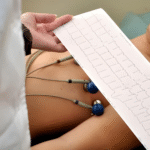
- ECG (electrocardiogram)
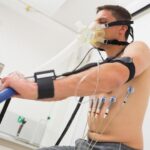
- Treadmill stress test (TMX)
- CT coronary angiography
- Calcium scoring CT
- Blood tests to assess cholesterol and sugar levels
5 Frequently Asked Questions (FAQs)
Q1: Is coronary heart disease the same as a heart attack?
A: No. Coronary heart disease is a long-term condition involving narrowed arteries. A heart attack occurs when an artery is suddenly blocked, often due to plaque rupture.
Q2: Can CHD develop without symptoms?
A: Yes. Many people have plaque buildup without knowing it. Symptoms often appear only when the disease is advanced or during physical exertion.
Q3: Can coronary heart disease be reversed?
A: While plaque cannot be completely removed, lifestyle changes, medication, and early intervention can slow progression and reduce risk.
Q4: What are the warning signs of a heart attack?
A: Chest pressure, pain radiating to the left arm or jaw, breathlessness, nausea, cold sweat, or sudden dizziness, especially during activity.
Q5: How often should I be screened?
A: If you have risk factors, your doctor may recommend yearly or biennial cardiac screening depending on your health status.
Don’t Wait for Symptoms, Protect Your Heart Early
Coronary heart disease develops quietly but can lead to serious complications if left undetected. If you have risk factors such as high blood pressure, high cholesterol, or a family history of heart conditions, it’s important to get your heart checked.
At Heart Matters Medical Centre, we provide comprehensive cardiac assessments to detect coronary artery disease early and guide personalised care.
Mount Elizabeth Novena Specialist Centre
Call +65 6339 1991
info@heartmatters.com.sg
Book a consultation today