












Key Takeaways
- Cardiomyopathy diagnosis and treatment involve a combination of clinical evaluation, imaging, and tailored therapies.
- Different types of cardiomyopathy require different management approaches.
- Early diagnosis can help prevent complications such as heart failure or arrhythmias.
- Treatment focuses on symptom control, slowing disease progression, and improving quality of life.
What Is Cardiomyopathy and Why Should You Be Concerned?
Cardiomyopathy refers to diseases of the heart muscle that make it harder for the heart to pump blood effectively. It can develop gradually and may not show symptoms in the early stages. However, over time, it can lead to fatigue, breathlessness, or even serious complications like heart failure.
Understanding cardiomyopathy diagnosis and treatment is important because timely care can help manage symptoms and reduce risks.
What Are the Different Types of Cardiomyopathy?
Cardiologists generally classify cardiomyopathy into several types,
- Dilated cardiomyopathy (DCM)- Heart chambers enlarge and weaken to reduced pumping ability.
- Hypertrophic cardiomyopathy (HCM)- Thickened heart muscle can obstruct blood flow
- Restrictive cardiomyopathy- Stiff heart muscle leads to reduced ability to fill with blood
- Arrhythmogenic cardiomyopathy: Heart muscle is replaced by scar or fatty tissue and can cause abnormal heart rhythms
Each type has unique features, which is why accurate diagnosis is essential.
How Do Cardiologists Diagnose Cardiomyopathy?
Diagnosing cardiomyopathy involves a structured and careful evaluation. Cardiologists aim to understand both the type and severity of the condition.
Initial Assessment by the doctor may involve,
- Review of symptoms such as shortness of breath. chest discomfort and palpitations
- Medical and family history
Diagnostic tests could be recommended by the doctor, such as,
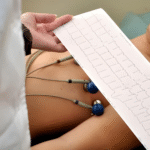
- Electrocardiogram (ECG): Detects abnormal heart rhythms
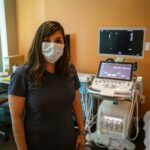
- Echocardiogram: Uses ultrasound to assess heart structure and function
- Cardiac MRI: Provides detailed imaging of heart muscle
- Blood tests: Helps identify underlying causes
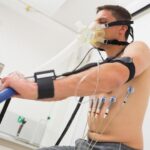
- Stress testing: Evaluates heart performance during activity
- Genetic testing: May be recommended in certain inherited cases
Such comprehensive approaches ensure that cardiomyopathy diagnosis and treatment is based on accurate findings.
What Treatment Options Are Available for Cardiomyopathy?
Treatment depends on the type of cardiomyopathy, severity, and individual health needs. The goal is to manage symptoms and reduce complications.
Medications prescribed can,
- Help control heart rate and blood pressure
- Reduce fluid buildup
- Improve heart function
Few lifestyle adjustments can help, such as,
- Limiting salt intake
- Regular, moderate physical activity as advised
- Avoiding smoking and excessive alcohol
Medical procedures, if recommended, such as,
- Implantable devices like pacemakers or defibrillators for rhythm control
- Septal reduction therapy for selected cases of hypertrophic cardiomyopathy
Advanced care options in more severe cases like,
- Heart failure management programmes
- Consideration of surgical interventions when appropriate
The right cardiomyopathy diagnosis and treatment plan is always personalised to the patient’s condition.
Can Cardiomyopathy Be Managed Effectively?
Yes, many people with cardiomyopathy can lead active lives with proper care. Key aspects include,
- Regular follow-up with a cardiologist
- Adherence to prescribed medications
- Monitoring symptoms closely
- Early intervention if symptoms worsen
Frequently Asked Questions (FAQs)
- What are the early signs of cardiomyopathy?
Early signs may include fatigue, shortness of breath, swelling in the legs, or palpitations. Some individuals may not notice symptoms initially.
- Is cardiomyopathy a serious condition?
It can be serious if untreated, but with proper cardiomyopathy diagnosis and treatment, many patients manage their condition well.
- Can cardiomyopathy be cured?
While it may not always be reversible, treatment can help control symptoms and improve heart function.
- Who is at risk of developing cardiomyopathy?
Risk factors include family history, high blood pressure, previous heart conditions, and certain lifestyle factors.
When Should You See a Cardiologist in Singapore?
If you are experiencing persistent breathlessness, chest discomfort, or unexplained fatigue, it is important to seek medical evaluation. Early assessment can make a meaningful difference in managing heart conditions.
At Heart Matters Clinic, Dr Dinesh Nair provides careful evaluation and personalised care for heart-related conditions, including cardiomyopathy. The clinic focuses on helping patients understand their condition and available management options in a clear and supportive manner, in line with patient-centred care principles .
Take the next step towards understanding your heart health and book a consultation with the Heart Matters Clinic today to discuss your concerns.