









Key Takeaways
- Carotid artery blockage can develop without obvious symptoms.
- Early warning signs may appear as brief, temporary stroke-like episodes.
- Simple, non-invasive scans can help detect narrowing in the neck arteries.
- Early assessment and treatment may lower the risk of future stroke.
A stroke can happen suddenly but in many cases, the warning signs start much earlier. Blocked neck arteries, known medically as carotid artery disease, develop quietly over time. Recognising carotid artery blockage symptoms early may help reduce the risk of a major stroke.
What Are the Carotid Arteries and Why Are They Important?
The carotid arteries are two major blood vessels located on each side of your neck. They supply oxygen-rich blood to the brain. When fatty deposits i.e. plaque build up inside these arteries, blood flow can become narrowed or blocked. This condition increases the risk of stroke.
What Causes Carotid Artery Blockage?
Carotid artery narrowing usually develops due to a condition called atherosclerosis, where plaque builds up in the arteries. Common risk factors include,
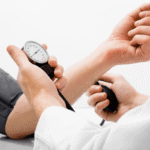
- High blood pressure
- High cholesterol
- Diabetes
- Smoking
- Obesity
- Family history of heart or stroke conditions
- Age above 55
These risk factors are common in the ageing population, making awareness especially important.
What Are the Early Carotid Artery Blockage Symptoms?
In most cases, there are no obvious symptoms until the blockage becomes significant. However, some people may experience warning signs known as a transient ischaemic attack (TIA), sometimes called a “mini-stroke”.
Some possible carotid artery blockage symptoms include,
- Sudden weakness or numbness in the face, arm, or leg usually on one side
- Sudden difficulty speaking or slurred speech
- Temporary loss of vision in one eye
- Blurred or double vision
- Sudden dizziness or loss of balance
- Confusion or difficulty understanding speech
These symptoms may last only a few minutes and resolve completely. Even if they disappear, they should never be ignored.
Can Blocked Neck Arteries Be Detected Before a Stroke?
Yes, carotid artery narrowing can be detected before a stroke occurs. Doctors may recommend evaluation if you,
- Have experienced TIA-like symptoms
- Have multiple cardiovascular risk factors
- Have known heart disease
- Have a family history of stroke
Some of the common tests include,
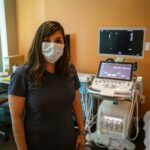
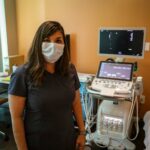
- Carotid ultrasound which is a non-invasive scan that uses sound waves to assess blood flow and detect narrowing.
- CT or MRI scans in selected situations to assess the brain and blood vessels.
Who Should Consider Screening?
Screening is not necessary for everyone. It may be considered if,
- You have multiple risk factors for stroke
- You have had TIA symptoms
- Your doctor detects an abnormal sound in the neck during examination
A proper medical consultation helps determine whether testing is appropriate for you.
Frequently Asked Questions
- Can carotid artery blockage cause pain in the neck?
No. Carotid artery blockage usually does not cause neck pain. Symptoms typically relate to reduced blood flow to the brain.
- How serious are carotid artery blockage symptoms?
They can be serious. Even temporary symptoms may signal a high risk of a future stroke and require prompt medical assessment.
- Is carotid artery disease the same as heart disease?
Both conditions involve plaque build-up in arteries, but carotid artery disease affects the neck arteries supplying the brain, while heart disease affects the coronary arteries.
- Can lifestyle changes reduce the risk of blockage?
Yes. Managing blood pressure, cholesterol, diabetes, maintaining a healthy weight, exercising regularly, and avoiding smoking can significantly lower risk.
When Should You Seek Medical Advice?
If you notice any symptoms suggestive of a TIA or stroke, seek urgent medical attention. And any risk factors but no symptoms, a discussion with a doctor can help assess your stroke risk and determine whether further evaluation is appropriate.
At The Heart Matters Clinic in Singapore, patients receive thorough cardiovascular assessments tailored to their individual risk profile. Early detection and appropriate management can play an important role in reducing stroke risk. If you are concerned about carotid artery blockage symptoms or would like a personalised stroke risk assessment, consider arranging a consultation with The Heart Matters Clinic to discuss your options.